10 Uncommonly Used Filipino Words

Many Filipinos nowadays didn’t know deep tagalog/filipino words, especially mellenials and i’m one of them. So let’s try learn some uncommon filipino words.

have you ever used and heard these words :SANGHIR,PANGHISO,
BARO,ILAYA,PULOT-GATA,YAKIS,
SALIMPAPAW,PAYNETA,MAKITINIG,     SALUMPWIT

If you don’t have used and heard about these words, let’s start to study what is the definition and what are these word is..


Filipino Word: Sanghir
English Translation: Bad Odor

Definition:
Body odor is present in all animals, including humans, and its intensity can be influenced by many factors (behavioral patterns, survival strategies). Body odor has a strong genetic basis, but can also be strongly influenced by various diseases and physiological conditions. Though body odor has played an important role (and continues to do so in many life forms) in early humankind, it is generally considered to be an unpleasant odor amongst many human cultures.
(source:Wikipedia)

Example when used in a sentence:
sinabi ko na sanghir sya pero di nakinig kundi nagalit pa


Filipino Word: Panghiso
English Translation: Toothbrush

Definition
-a small brush with a long handle, used for cleaning the teeth.

Example used in a sentence:
araw-araw kong ginagamit ang aking panghiso upang malinis ng mabuti ang aking ipin


Filipino Word: Baro
English Translation: Clothes

Definition
-items worn to cover the body.

l
sinusuot ang pinaka maganda kong baro tuwing may okasyon
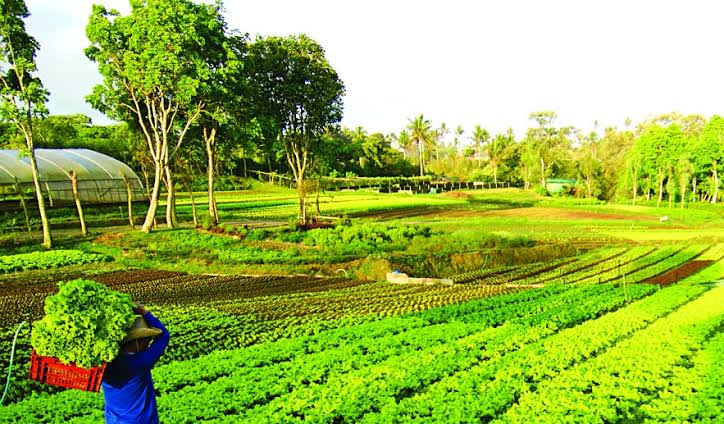

Filipino Word: Ilaya
English Translation: Farm

Definition
-an area of land and its buildings used for growing crops and rearing animals

Example when used in a sentence:
Malamig ang simo’y ng hangin sa ilaya kaya ang sarap mag relax doon


Filipino Word: Pulot-Gata
English Translation:Honeymoon

Definition
-A honeymoon is a holiday taken by newlyweds immediately after their wedding, to celebrate their marriage. Today, honeymoons are often celebrated in destinations considered exotic or romantic.

Example when used in a sentence:
pagkatapos ng kasal ng aking tita sila ay pumunta sa france para doon mag pulot-gatla
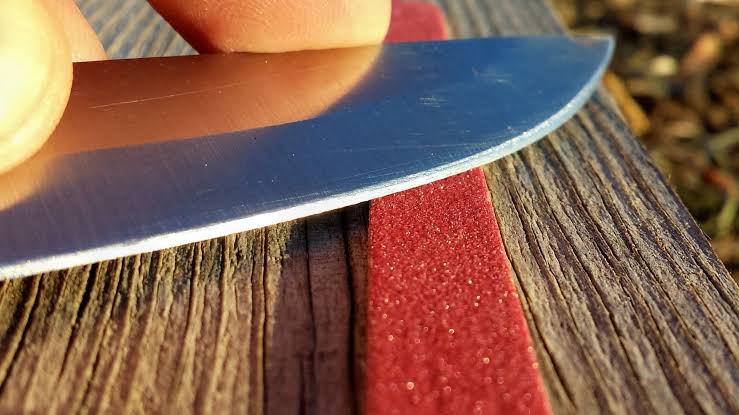

: Yakis
English Translation:Sharpening blades

Definition
-is the process of making a knife or similar tool sharp by grinding against a hard, rough surface, typically a stone, or a flexible surface with hard particles, such as sandpaper. Additionally, a leather razor strop, or strop, is often used to straighten and polish an edge.

Example when used in a sentence:
ako ay nag yakis ng kutsilyo dahil mapurol na ang mga iyon


Filipino Word: Salimpapaw
English Translation: Airplane

Definition
-a powered flying vehicle with fixed wings and a weight greater than that of the air it displaces.

Example when used in a sentence:
ako ay hindi pa nakaranas sumakay sa salimpapaw.ll


Filipino Word: Payneta
English Translation: Comb

Definition
-A comb is a tool consisting of a shaft that holds a row of teeth for pulling through the hair to clean, untangle, or style it. Combs have been used since prehistoric times, having been discovered in very refined forms from settlements dating back to 5,000 years ago in Africa.

Example when used in a sentence:
Pagkatapos maligo ay gumagamit ako ng payneta upang ayusin ang aking buhok


Filipino Word: Makitinig
English Translation: Microphone

Definition
-an instrument for converting sound waves into electrical energy variations which may then be amplified, transmitted, or recorded.

Example when used in a sentence:
Nang kami ay kumanta sa banda ay magaganda ang kalidad nang makitinig na ginamit namin.
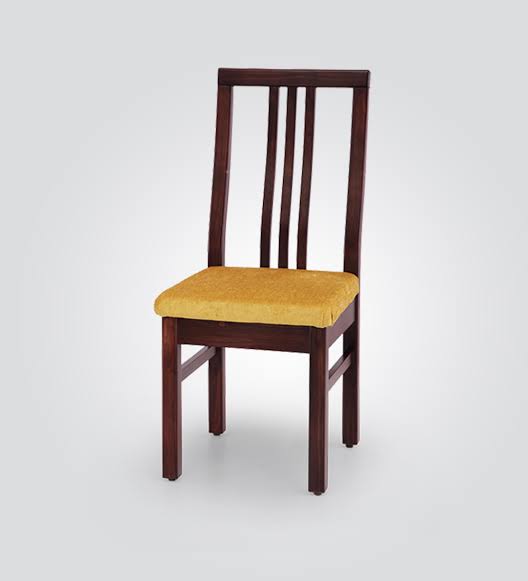

Filipino Word: Salumpwit
English Translation: Chair

Definition
-a separate seat for one person, typically with a back and four legs.

Example when used in a sentence:
Nang nag umpisa ang pag pupulong kami ay naupo sa kani-kaniyang salumpwit.

Introduce Yourself (Example Post)

This is an example post, originally published as part of Blogging University. Enroll in one of our ten programs, and start your blog right.

You’re going to publish a post today. Don’t worry about how your blog looks. Don’t worry if you haven’t given it a name yet, or you’re feeling overwhelmed. Just click the “New Post” button, and tell us why you’re here.

Why do this?

  • Because it gives new readers context. What are you about? Why should they read your blog?
  • Because it will help you focus your own ideas about your blog and what you’d like to do with it.

The post can be short or long, a personal intro to your life or a bloggy mission statement, a manifesto for the future or a simple outline of your the types of things you hope to publish.

To help you get started, here are a few questions:

  • Why are you blogging publicly, rather than keeping a personal journal?
  • What topics do you think you’ll write about?
  • Who would you love to connect with via your blog?
  • If you blog successfully throughout the next year, what would you hope to have accomplished?

You’re not locked into any of this; one of the wonderful things about blogs is how they constantly evolve as we learn, grow, and interact with one another — but it’s good to know where and why you started, and articulating your goals may just give you a few other post ideas.

Can’t think how to get started? Just write the first thing that pops into your head. Anne Lamott, author of a book on writing we love, says that you need to give yourself permission to write a “crappy first draft”. Anne makes a great point — just start writing, and worry about editing it later.

When you’re ready to publish, give your post three to five tags that describe your blog’s focus — writing, photography, fiction, parenting, food, cars, movies, sports, whatever. These tags will help others who care about your topics find you in the Reader. Make sure one of the tags is “zerotohero,” so other new bloggers can find you, too.

Introduce Yourself (Example Post)

This is an example post, originally published as part of Blogging University. Enroll in one of our ten programs, and start your blog right.

You’re going to publish a post today. Don’t worry about how your blog looks. Don’t worry if you haven’t given it a name yet, or you’re feeling overwhelmed. Just click the “New Post” button, and tell us why you’re here.

Why do this?

  • Because it gives new readers context. What are you about? Why should they read your blog?
  • Because it will help you focus your own ideas about your blog and what you’d like to do with it.

The post can be short or long, a personal intro to your life or a bloggy mission statement, a manifesto for the future or a simple outline of your the types of things you hope to publish.

To help you get started, here are a few questions:

  • Why are you blogging publicly, rather than keeping a personal journal?
  • What topics do you think you’ll write about?
  • Who would you love to connect with via your blog?
  • If you blog successfully throughout the next year, what would you hope to have accomplished?

You’re not locked into any of this; one of the wonderful things about blogs is how they constantly evolve as we learn, grow, and interact with one another — but it’s good to know where and why you started, and articulating your goals may just give you a few other post ideas.

Can’t think how to get started? Just write the first thing that pops into your head. Anne Lamott, author of a book on writing we love, says that you need to give yourself permission to write a “crappy first draft”. Anne makes a great point — just start writing, and worry about editing it later.

When you’re ready to publish, give your post three to five tags that describe your blog’s focus — writing, photography, fiction, parenting, food, cars, movies, sports, whatever. These tags will help others who care about your topics find you in the Reader. Make sure one of the tags is “zerotohero,” so other new bloggers can find you, too.

Introduce Yourself (Example Post)

This is an example post, originally published as part of Blogging University. Enroll in one of our ten programs, and start your blog right.

You’re going to publish a post today. Don’t worry about how your blog looks. Don’t worry if you haven’t given it a name yet, or you’re feeling overwhelmed. Just click the “New Post” button, and tell us why you’re here.

Why do this?

  • Because it gives new readers context. What are you about? Why should they read your blog?
  • Because it will help you focus your own ideas about your blog and what you’d like to do with it.

The post can be short or long, a personal intro to your life or a bloggy mission statement, a manifesto for the future or a simple outline of your the types of things you hope to publish.

To help you get started, here are a few questions:

  • Why are you blogging publicly, rather than keeping a personal journal?
  • What topics do you think you’ll write about?
  • Who would you love to connect with via your blog?
  • If you blog successfully throughout the next year, what would you hope to have accomplished?

You’re not locked into any of this; one of the wonderful things about blogs is how they constantly evolve as we learn, grow, and interact with one another — but it’s good to know where and why you started, and articulating your goals may just give you a few other post ideas.

Can’t think how to get started? Just write the first thing that pops into your head. Anne Lamott, author of a book on writing we love, says that you need to give yourself permission to write a “crappy first draft”. Anne makes a great point — just start writing, and worry about editing it later.

When you’re ready to publish, give your post three to five tags that describe your blog’s focus — writing, photography, fiction, parenting, food, cars, movies, sports, whatever. These tags will help others who care about your topics find you in the Reader. Make sure one of the tags is “zerotohero,” so other new bloggers can find you, too.